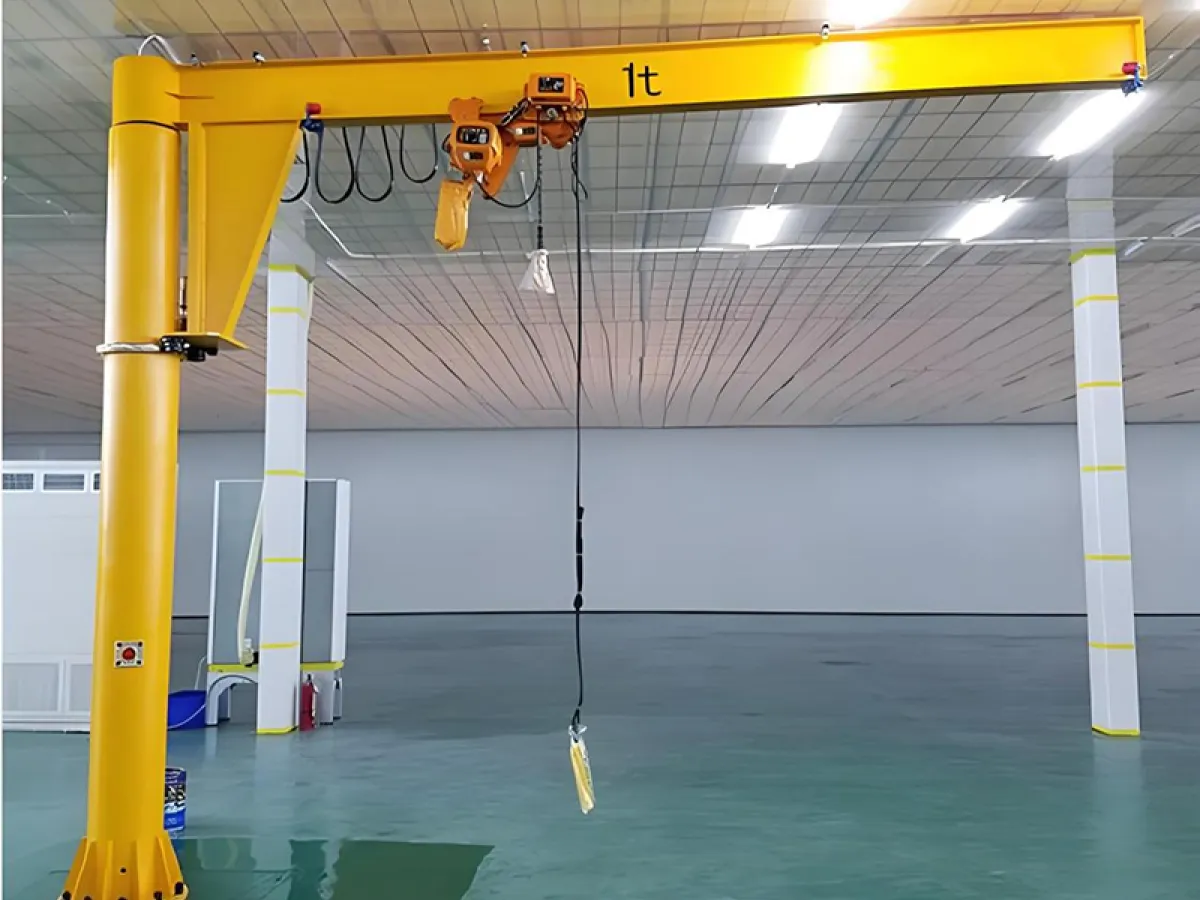
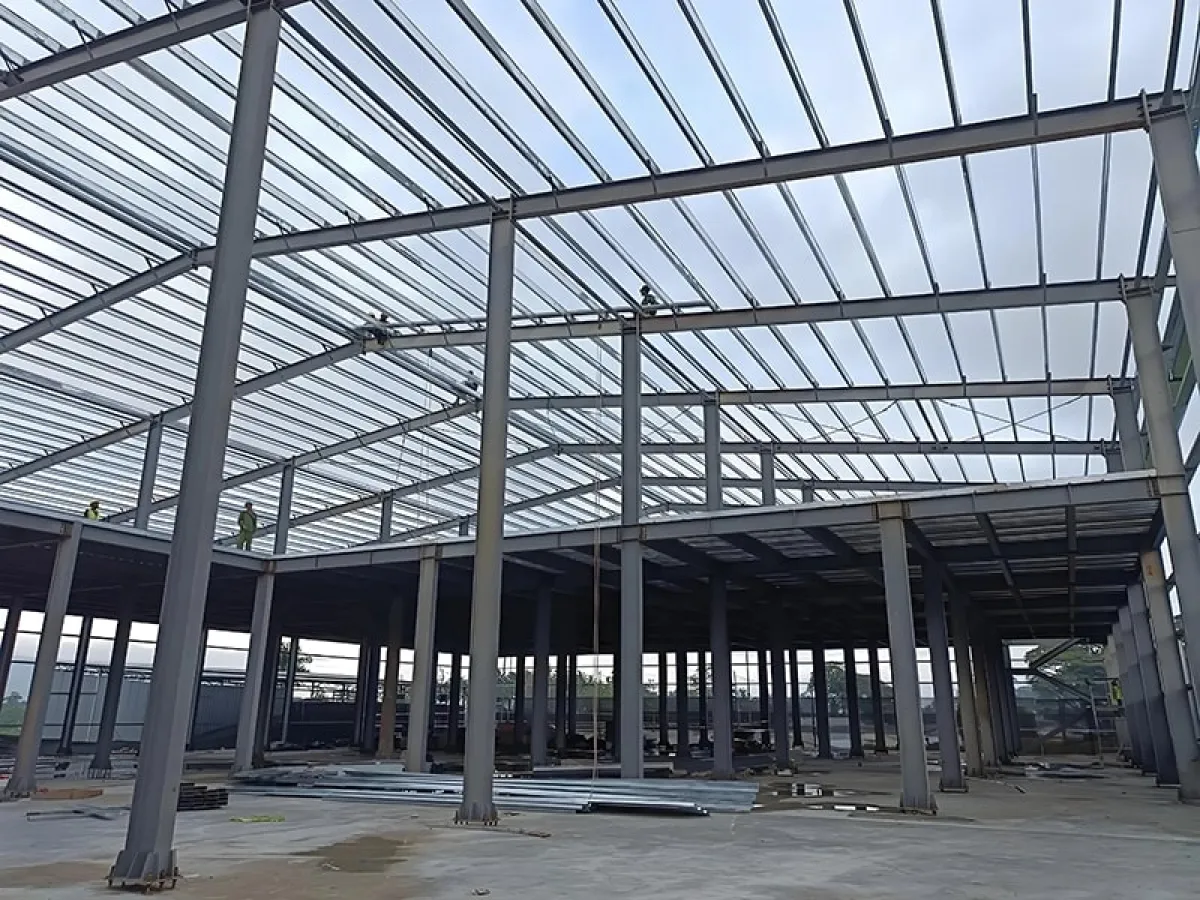
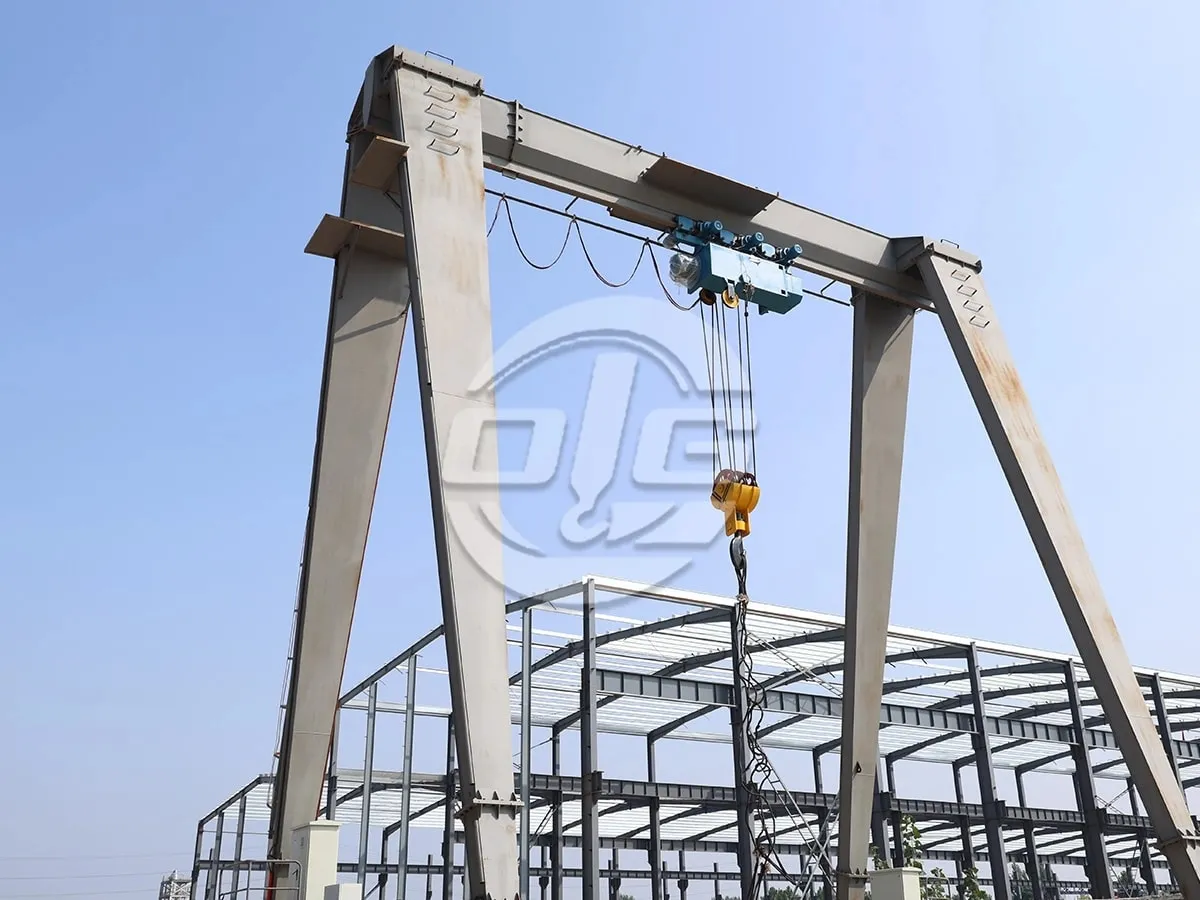
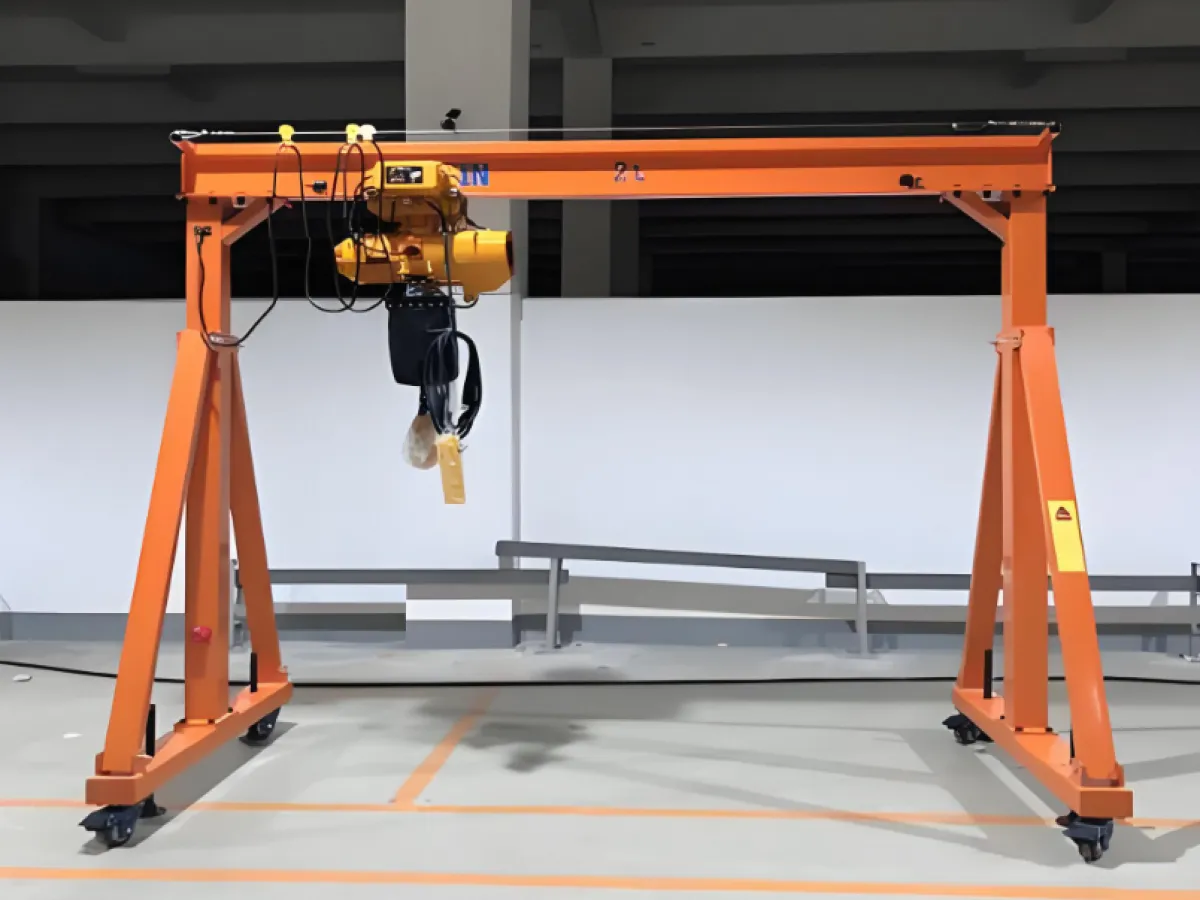
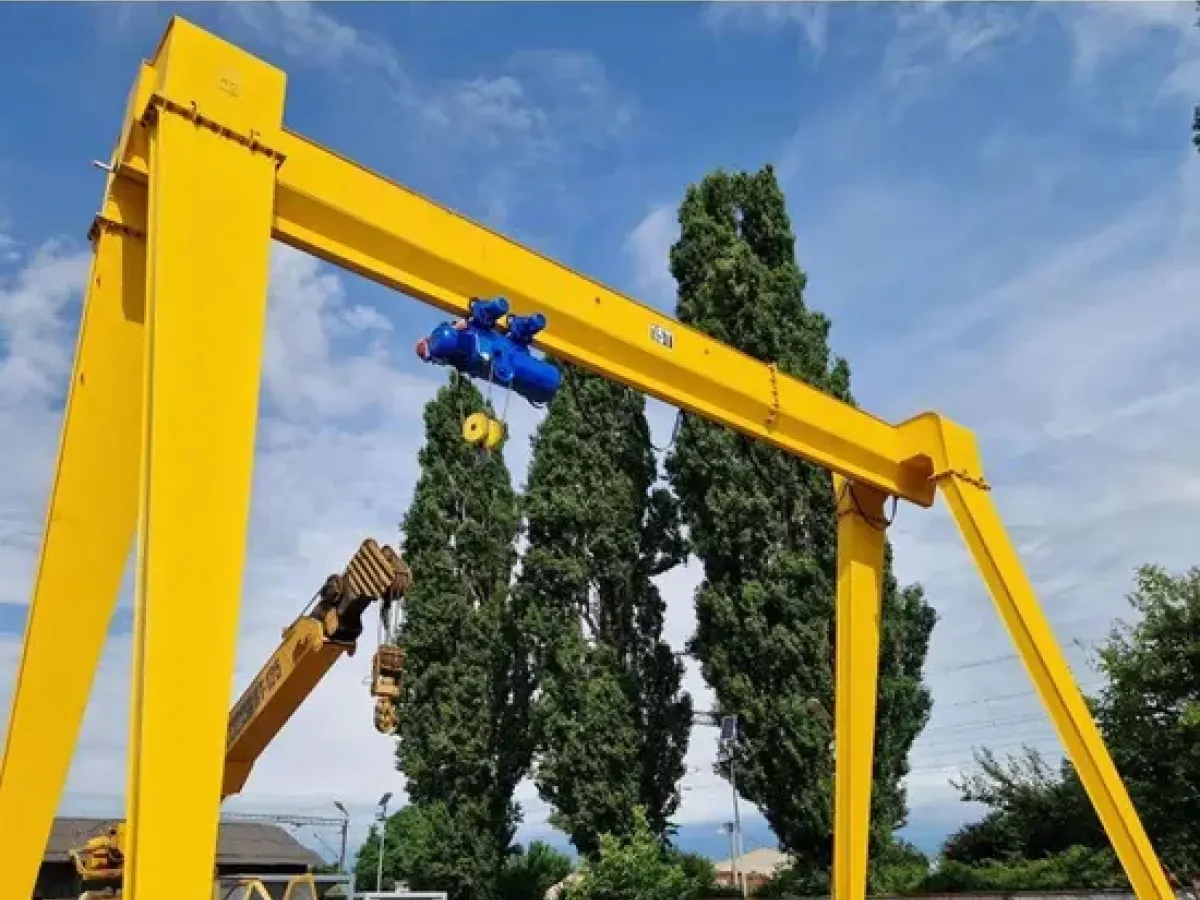
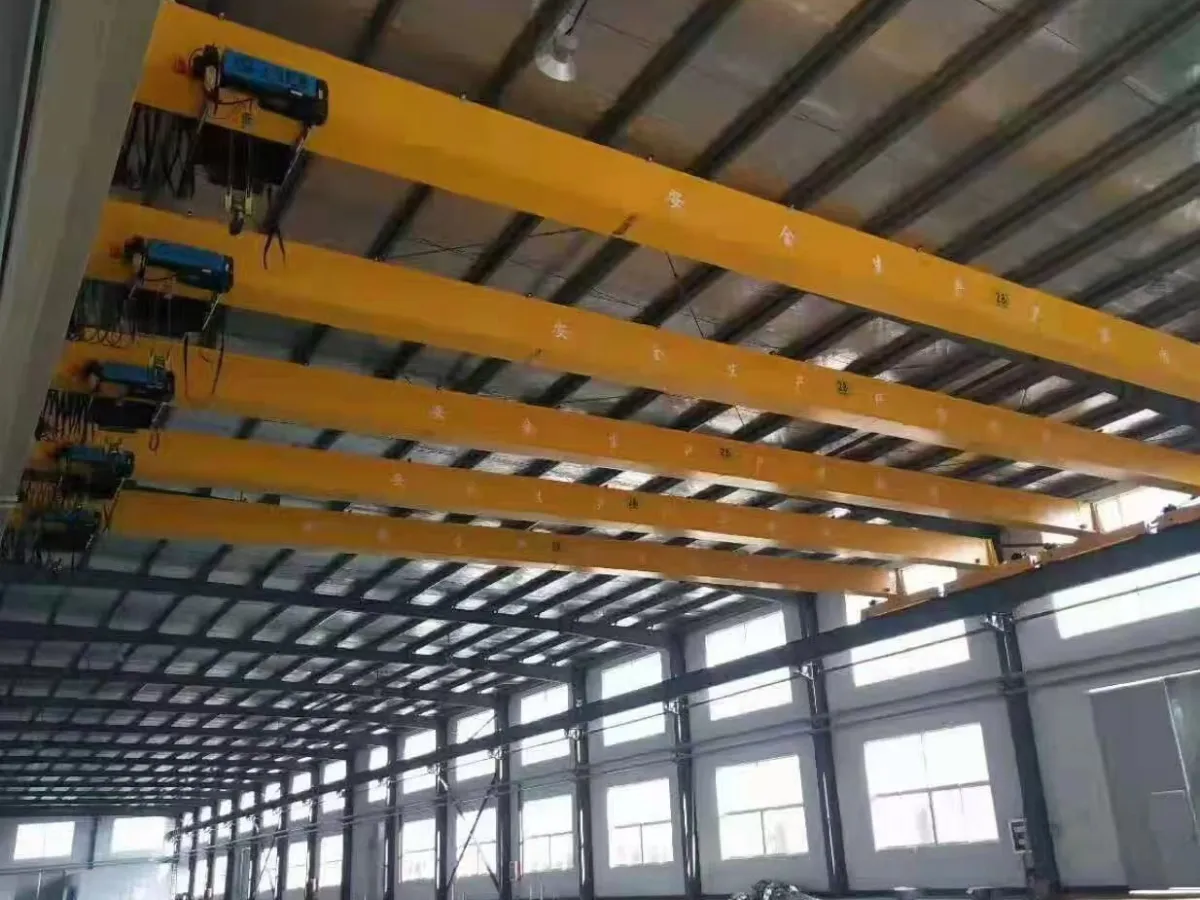
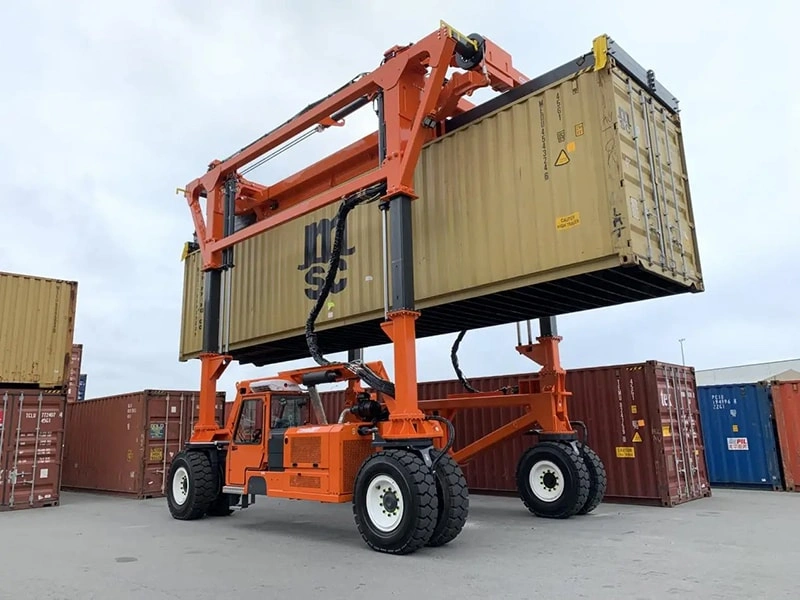
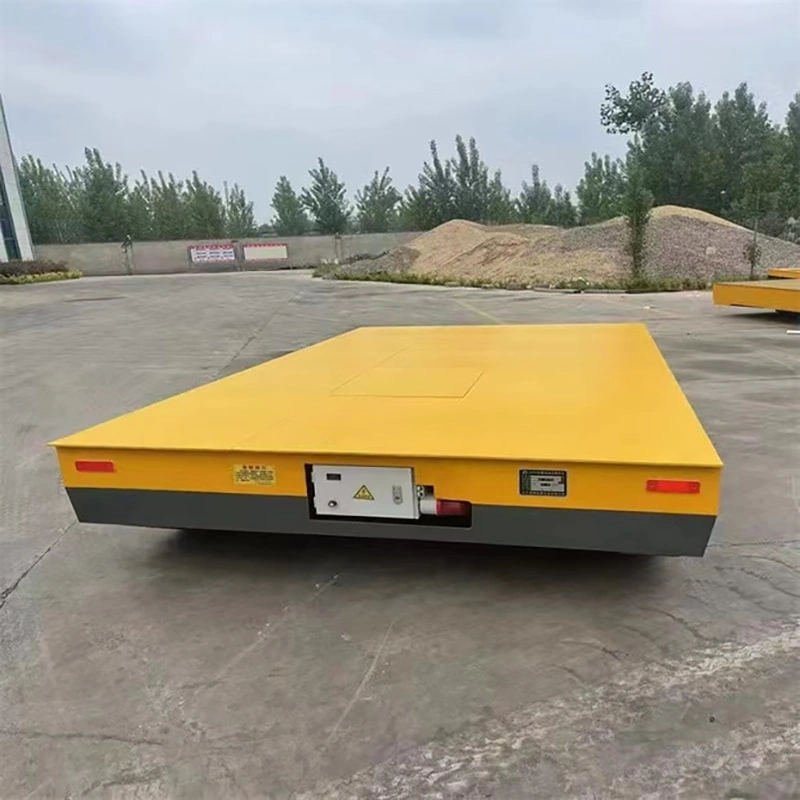
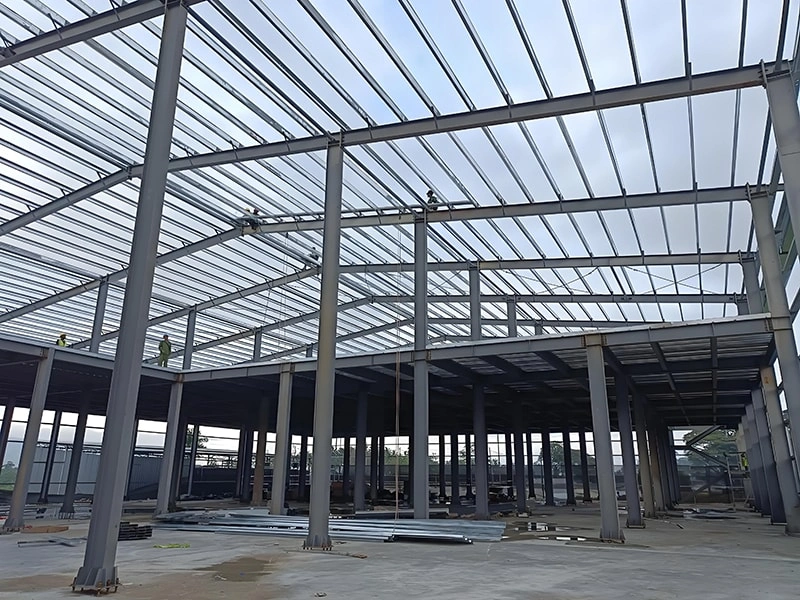
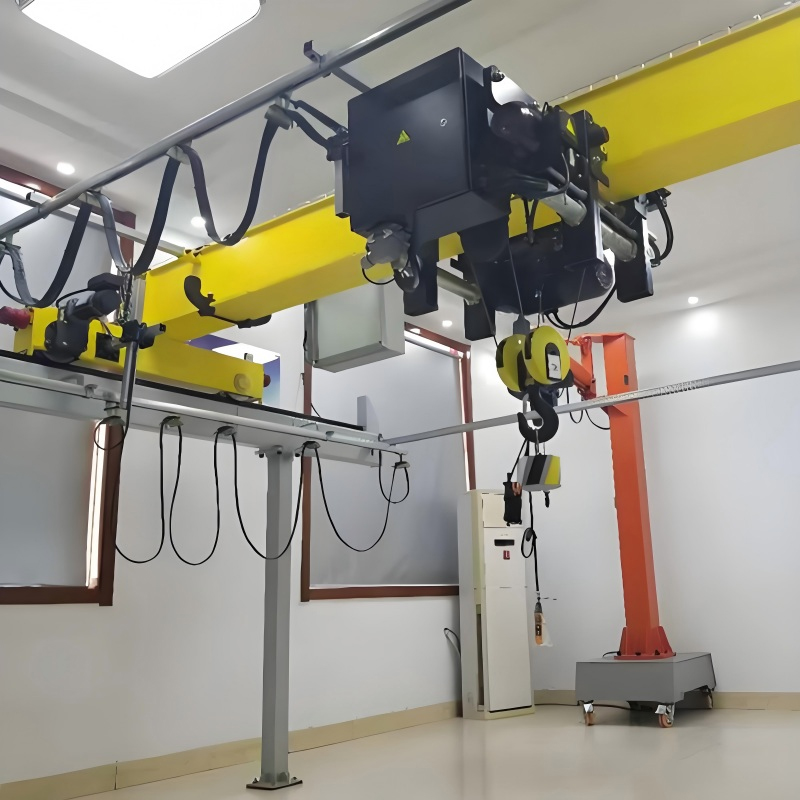
bridge cranes, as indispensable heavy-duty lifting equipment in industrial production, are widely used in key fields such as metallurgy, ports, and heavy machinery manufacturing. They undertake core tasks such as heavy object transfer, equipment installation, and material loading and unloading. Their operational stability directly determines the smoothness and safety of the production process. From the first electric bridge crane designed by Sampson Moore in 1876 to today's intelligent and lightweight product iterations, the development of bridge cranes has always resonated with industrial progress. Original equipment manufacturers (OEM), as the source of technological innovation and quality control, are the core force driving its upgrades.
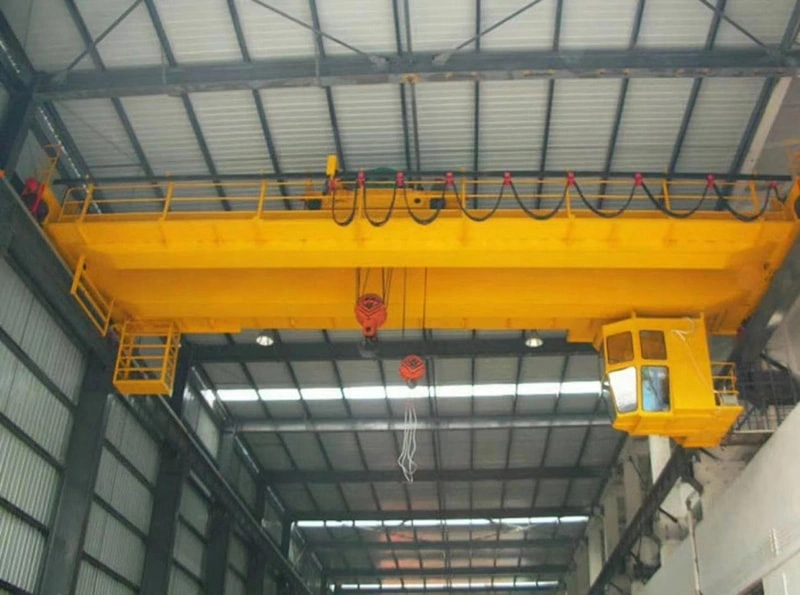
The safe operation and long-term durability of bridge cranes are inseparable from the strict control and professional design of OEM. Unlike aftermarket modification or assembly manufacturers, OEM adhere to stringent industry standards and quality specifications from product development and component selection to manufacturing. Whether it's the core motor and reducer, or the main beam and hook that bear heavy loads, every component undergoes rigorous testing and debugging to ensure stable performance under heavy load and high-frequency conditions.
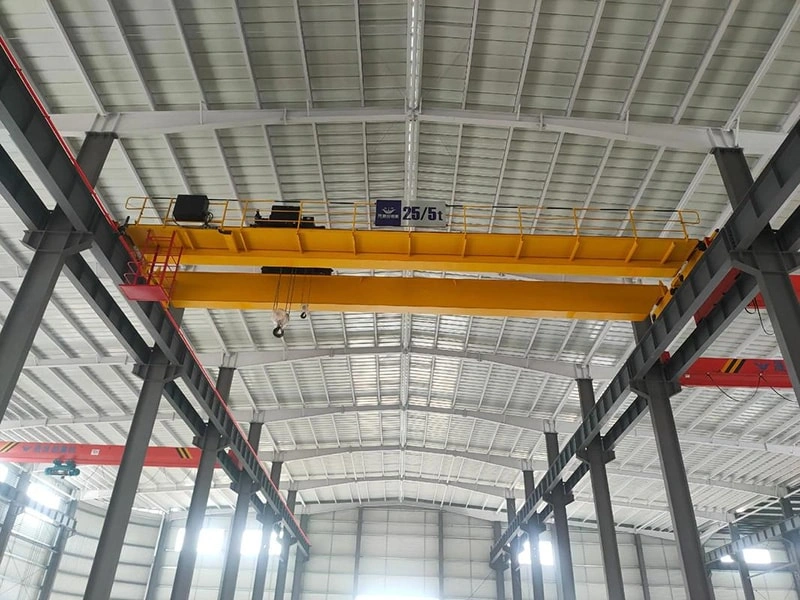
The intelligent upgrading and industry adaptation of bridge cranes require innovative empowerment and precise planning from original equipment manufacturers. Factories can provide customized solutions based on the specific needs of different industries. Whether it's high-temperature resistant cranes in metallurgical workshops or specialized lifting equipment in the nuclear power field, the capabilities of professional engineers can achieve a perfect match between performance and application scenarios, helping various industries achieve efficient, safe, and green production.

Guodu Industrial Park, Xintai City, Shandong Province
Copyright © 2025 by Shandong Oulange Heavy Industry Machinery Co., Ltd. All Rights Reserved