The crane stands as one of humanity’s most transformative materialhandling inventions, tracing its roots back thousands of years to early civilizations. The earliest primitive crane relied on wooden frames, pulleys and human or animal force, helping builders move massive stone blocks for temples and monuments. Back then, every crane was handpowered, with limited lifting capacity yet remarkable mechanical wisdom that laid a solid foundation for future upgrades. Without the birth of this basic crane, many ancient grand architectures would never have been completed.
The Industrial Revolution completely reshaped what a crane could achieve. Steam power replaced manual labor in the 19th century, allowing each crane to handle far heavier loads in docks, factories and workshops. Factories and shipyards urgently demanded stable overhead lifting equipment, so the overhead crane came into mass production across Europe. This newgeneration crane broke previous weight limits, accelerating manufacturing progress and pushing global heavyindustry expansion. Soon, hydraulic and electric drive systems further optimized the crane’s performance for various industrial scenarios.
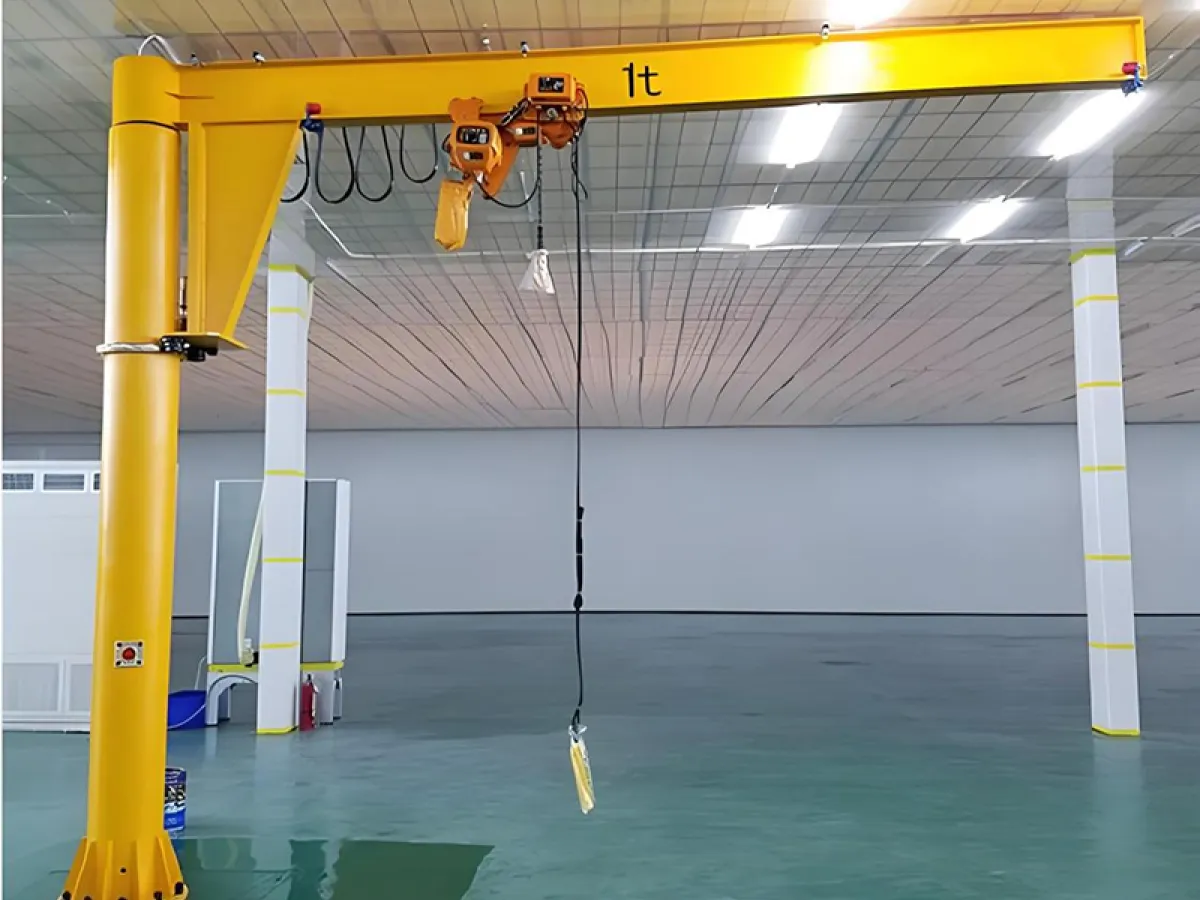
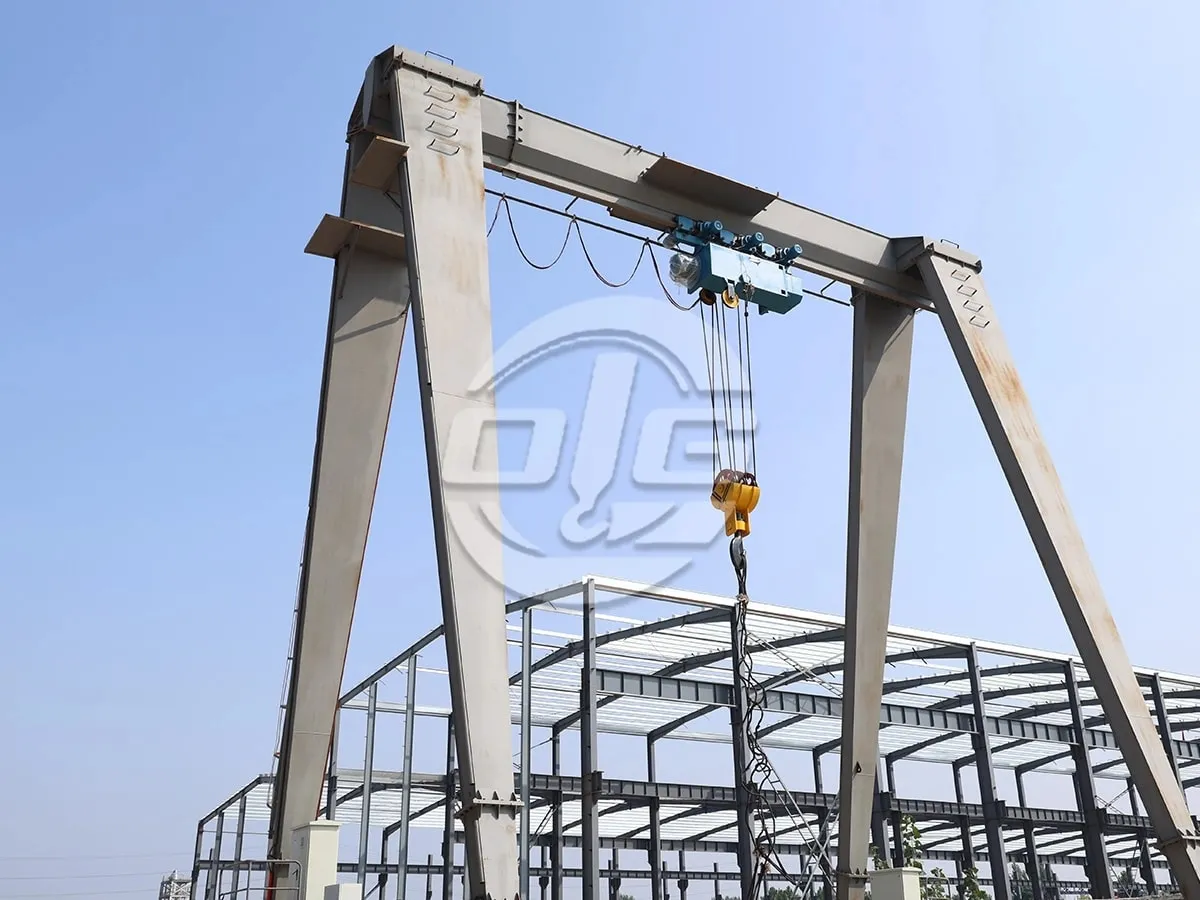
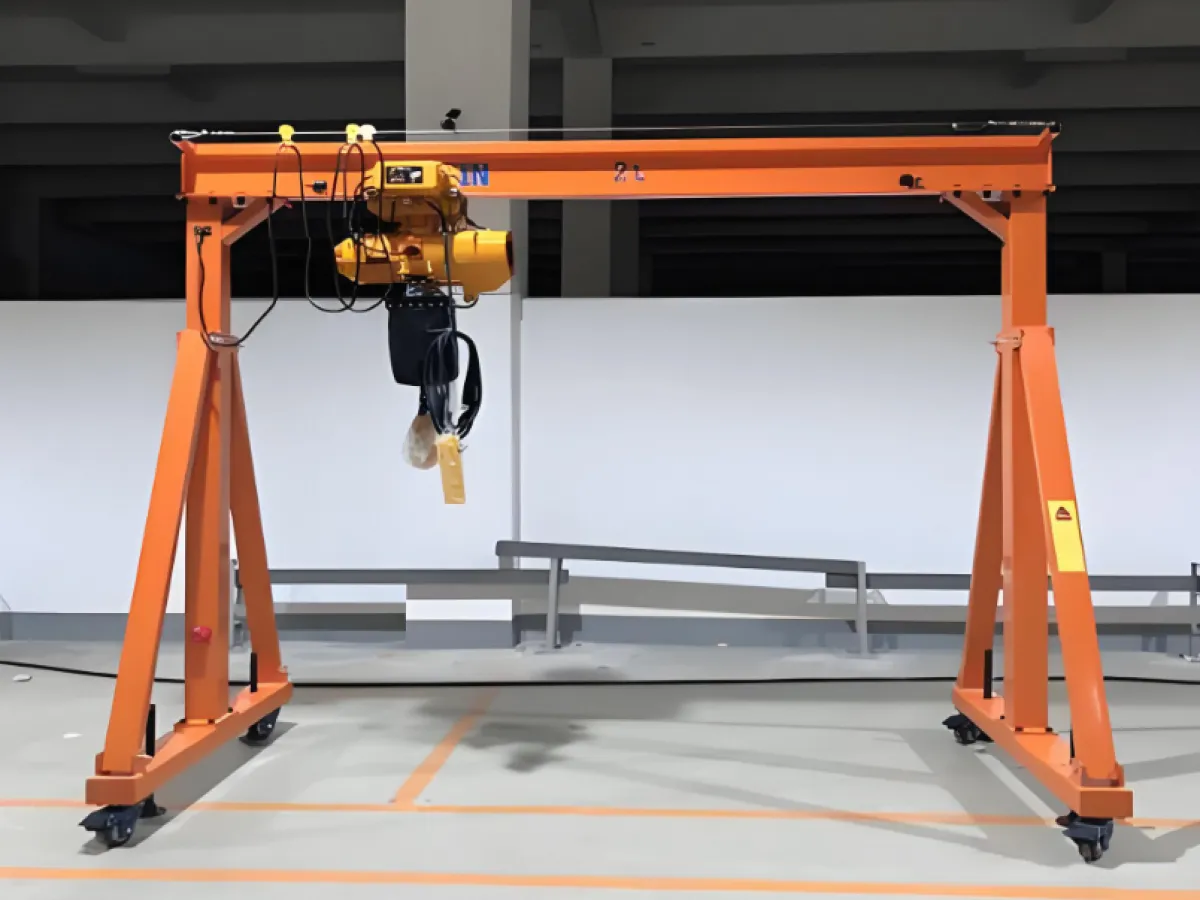
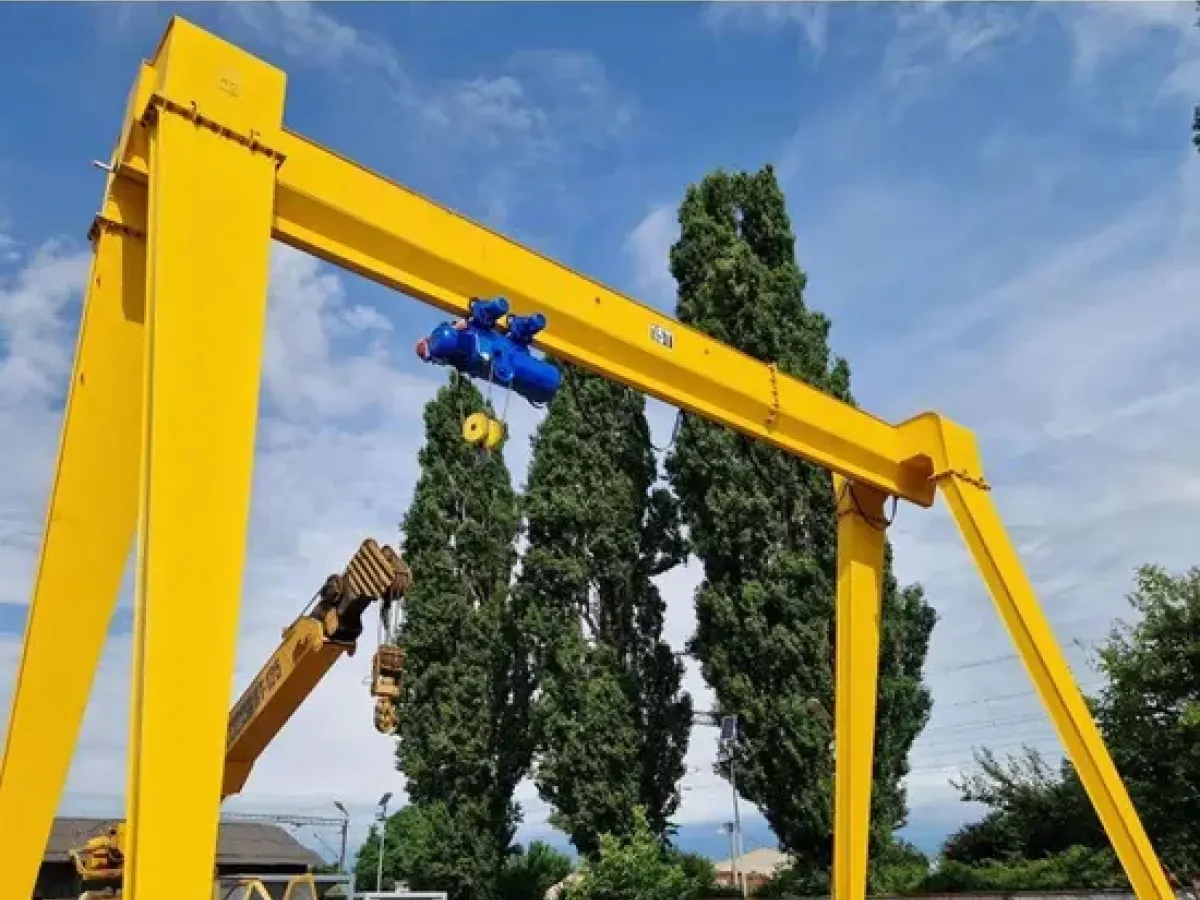
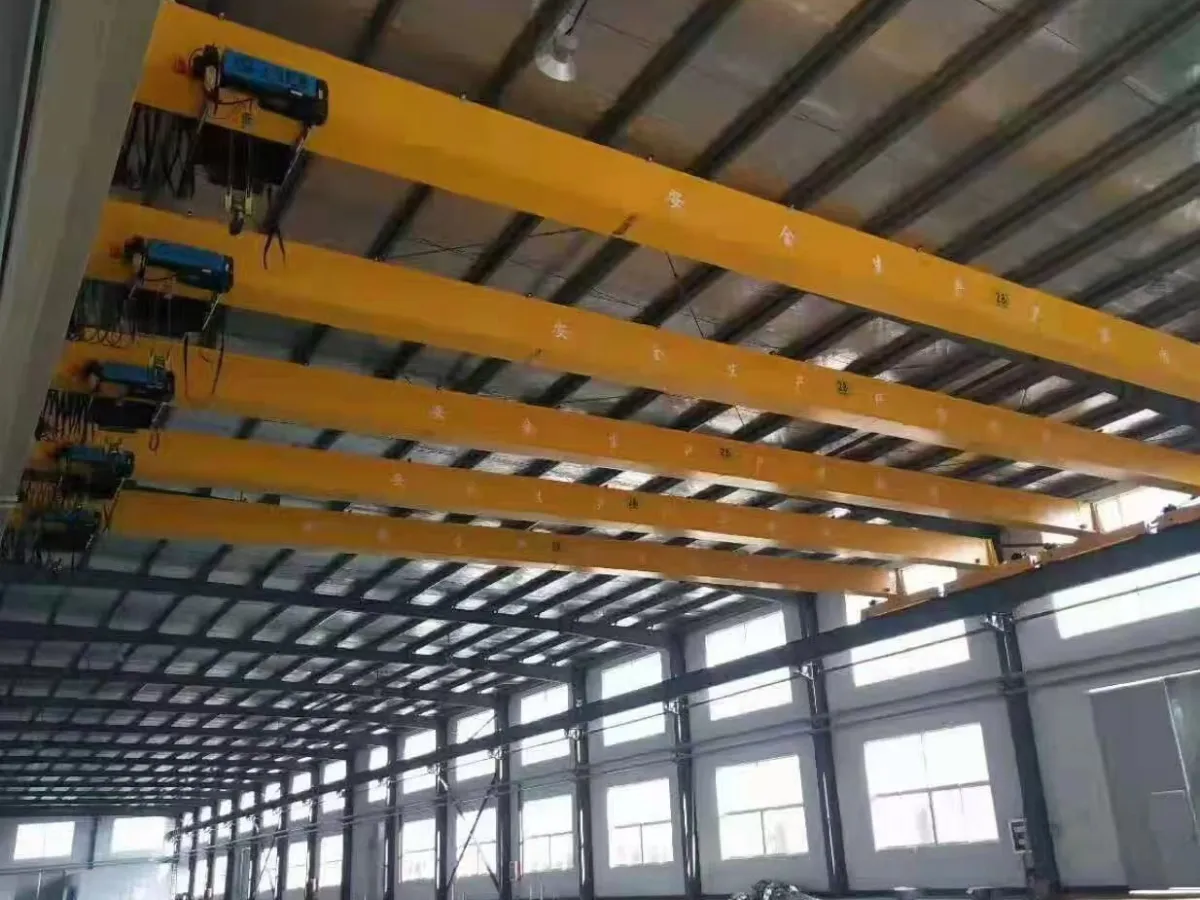
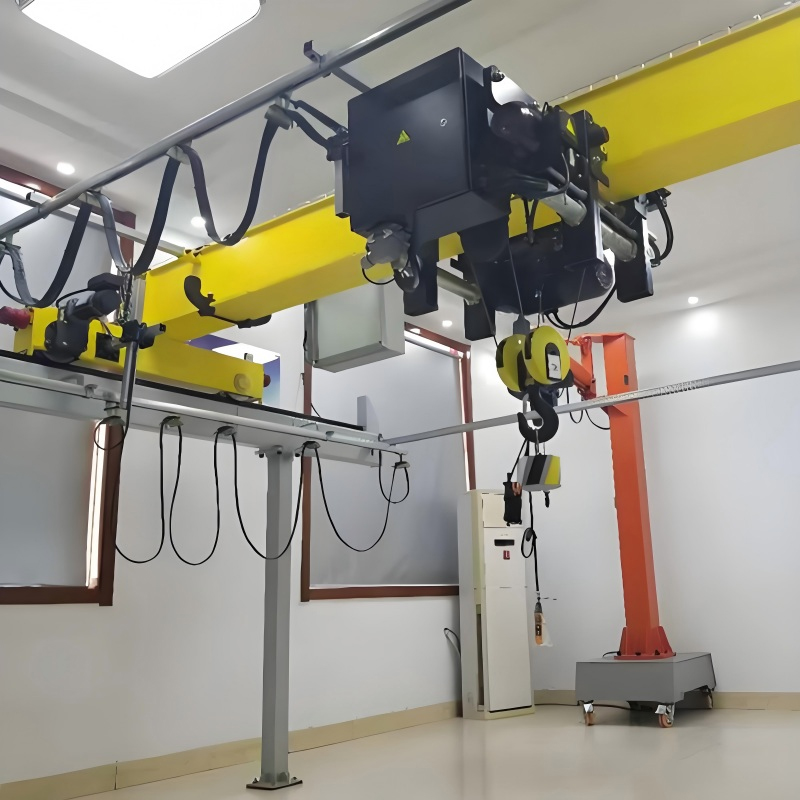
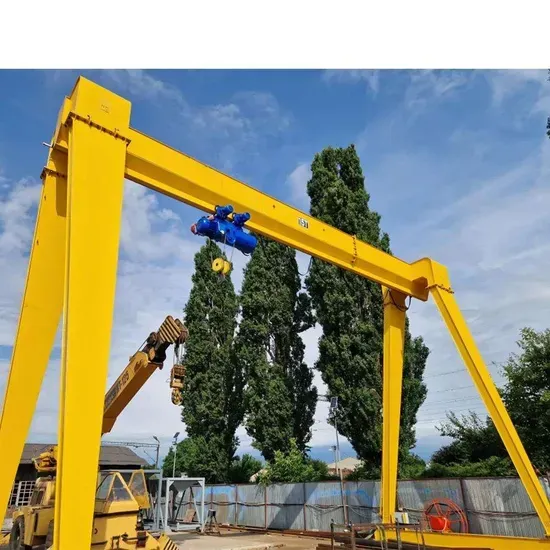
Entering the 20th century, electrical innovation brought another huge leap for the crane. Electric motors replaced steam units, making every crane quieter, safer and easier to operate. Different variants appeared: overhead crane, jib crane and gantry crane served workshops, warehouses and port terminals respectively. Manufacturers continuously improved material strength and transmission structures, so the crane adapted to diversified working conditions from indoor production lines to outdoor freight yards. Reliability and operating precision became core pursuit for every updated crane model.
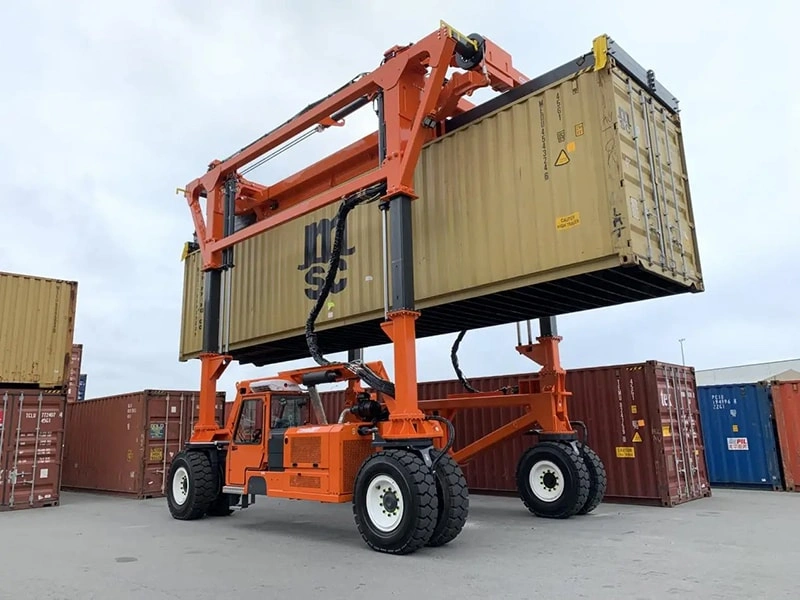
Today, intelligent technology redefines the modern crane. Equipped with sensors, antiswing modules and remote control systems, the contemporary crane delivers highprecision lifting with enhanced safety protection. Whether for heavyduty factory production, container loading or largescale infrastructure construction, a wellengineered crane improves efficiency and cuts operational risks. As global industry keeps advancing, the crane will continue evolving, bringing more robust, energysaving lifting solutions for worldwide clients.

Guodu Industrial Park, Xintai City, Shandong Province
Copyright © 2025 by Shandong Oulange Heavy Industry Machinery Co., Ltd. All Rights Reserved